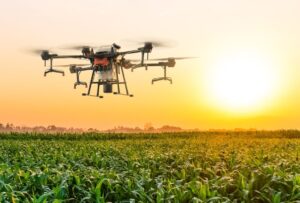
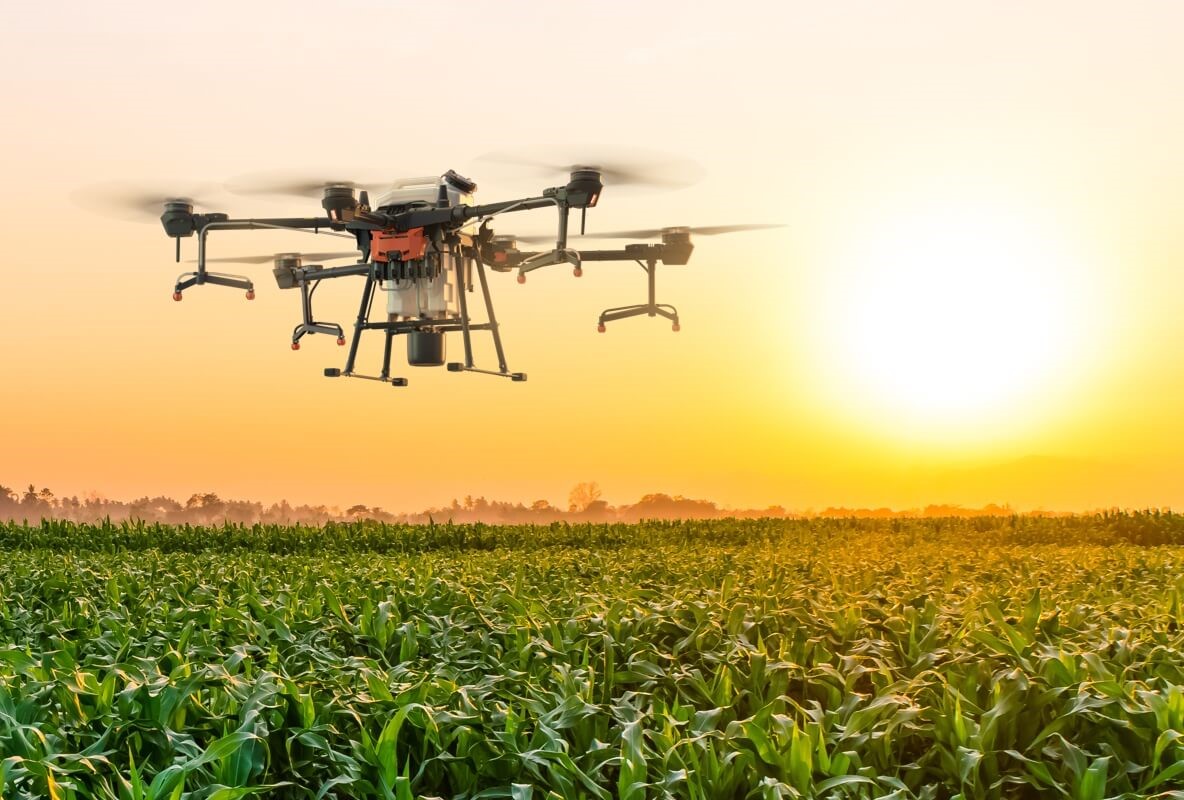

In recent years, the integration of Unmanned Aerial Vehicles (UAVs), commonly referred to as drones, into the agricultural sector has marked a transformative shift in how farming is approached globally. A recent comprehensive report released by DJI, a world leader in drone technology, underscores this revolution. The findings highlight the explosive growth of agricultural drone usage across various geographies, detailing how farmers are increasingly relying on aerial solutions for planting, crop protection, monitoring, and yield optimization. Despite the clear momentum, the report also calls attention to lingering challenges that need to be addressed for sustainable growth.
DJI’s latest data reveals that agricultural drones are now deployed in over 100 countries, with the most significant expansions seen in Asia, Africa, and South America. The adoption curve is steep, particularly in developing nations where smallholder farmers are beginning to realize the value that drone technology brings to their operations. In India, for instance, government-led programs and drone subsidies under the 'Kisan Drone Yojana' have accelerated usage, promoting drones for spraying pesticides and monitoring vast areas of land—tasks traditionally done manually and at much higher labor costs.
The report estimates that, as of 2024, over 10 million hectares of farmland worldwide are now being serviced by drones on a regular basis. This includes activities such as seed sowing, crop dusting, disease detection, and NDVI (Normalized Difference Vegetation Index) analysis for crop health. With UAVs capable of surveying hundreds of acres within minutes, farmers can make more informed decisions, optimize resource use, and reduce environmental impact.
One of the driving factors behind the increased adoption is precision agriculture. Unlike traditional farming methods, drones provide high-resolution imaging and real-time data analytics that help farmers assess crop conditions with pinpoint accuracy. This data allows for targeted interventions, such as spraying only the affected sections of a field, significantly reducing chemical usage and promoting sustainable practices. DJI reports that drone spraying alone has reduced chemical consumption by up to 30% in test regions, while also lowering water use and minimizing human exposure to hazardous substances.
Furthermore, the report touches on the impact of drones on labor efficiency. With an aging workforce in many agricultural economies and a growing reluctance among younger generations to take up farming, drones present a modern, tech-savvy solution. A single drone operator can now accomplish the work of several people in a fraction of the time, significantly cutting labor costs and boosting productivity. In many cases, this is making farming not only more profitable but also more attractive as a career option.
However, the report does not shy away from addressing the persistent challenges facing the industry. Regulatory uncertainty remains a major barrier to widespread drone adoption, particularly in regions where airspace laws are either unclear or overly restrictive. In countries without specific drone agriculture frameworks, operators often face difficulties in securing permissions, which can delay operations and discourage investment.
Additionally, the cost of drone technology, though decreasing, still poses a significant barrier for small-scale farmers. While large commercial farms can justify the ROI (return on investment) of advanced drone systems, smaller farms often struggle to afford high-end models or to justify the investment given their scale. The report recommends greater public-private partnerships, micro-financing solutions, and cooperative ownership models to overcome this hurdle.
Another pressing issue is the lack of trained drone operators and technicians. Operating an agricultural drone, especially for spraying and data analysis, requires a specialized skill set. The DJI report highlights the need for widespread training programs and certification courses to ensure safe and efficient drone usage. Some regions have started addressing this through government-backed drone academies and agri-tech hubs, but more effort is needed to bridge the skills gap.
Data privacy and cybersecurity also emerge as concerns. As drones collect and transmit sensitive data on farm operations and land holdings, questions arise about who owns this data and how it is protected. DJI’s report calls for clearer data governance policies and secure platforms to safeguard farmer interests while ensuring that insights derived from drone data are used ethically and responsibly.
On the technology front, DJI points out impressive innovations in drone durability, battery life, and AI integration. Modern agricultural drones are now equipped with AI algorithms that can identify pest infestations, weed outbreaks, and irrigation anomalies. Some are capable of autonomous route planning and obstacle avoidance, making them safer and more efficient in complex environments. These advancements are particularly beneficial in regions with challenging terrains, such as hilly plantations or flood-prone lowlands.
DJI’s report also showcases several success stories from across the globe. In China’s rice-producing provinces, drones are credited with increasing yields by up to 15% while lowering costs by nearly 25%. In Brazil, coffee farmers have used drones to survey steep plantations that were previously inaccessible, resulting in better crop planning. Similarly, African cotton farms are reporting a dramatic reduction in pesticide overuse due to the precision offered by aerial spraying.
Despite these impressive achievements, DJI stresses the importance of holistic ecosystem development. Beyond just selling hardware, the future of agricultural drones depends on building support systems—maintenance centers, service providers, data platforms, and community engagement initiatives. Without these, the adoption curve could stagnate, especially in regions where technological support is limited.
Looking ahead, the company projects continued strong growth for the agricultural drone sector. DJI forecasts that by 2030, drones could be in use on over 25% of the world’s arable land. This optimistic projection rests on the assumption that governments, technology providers, and farmers can work collaboratively to overcome existing barriers and harness the full potential of UAVs.
In conclusion, the DJI report paints a hopeful picture of the future of agriculture—one where drones are not merely tools but essential partners in food production. While the path forward includes obstacles such as regulation, affordability, and training, the opportunities are vast and transformative. As the global population grows and climate change presents new challenges to traditional agriculture, drone technology could very well be the key to sustainable, resilient, and productive farming practices.