
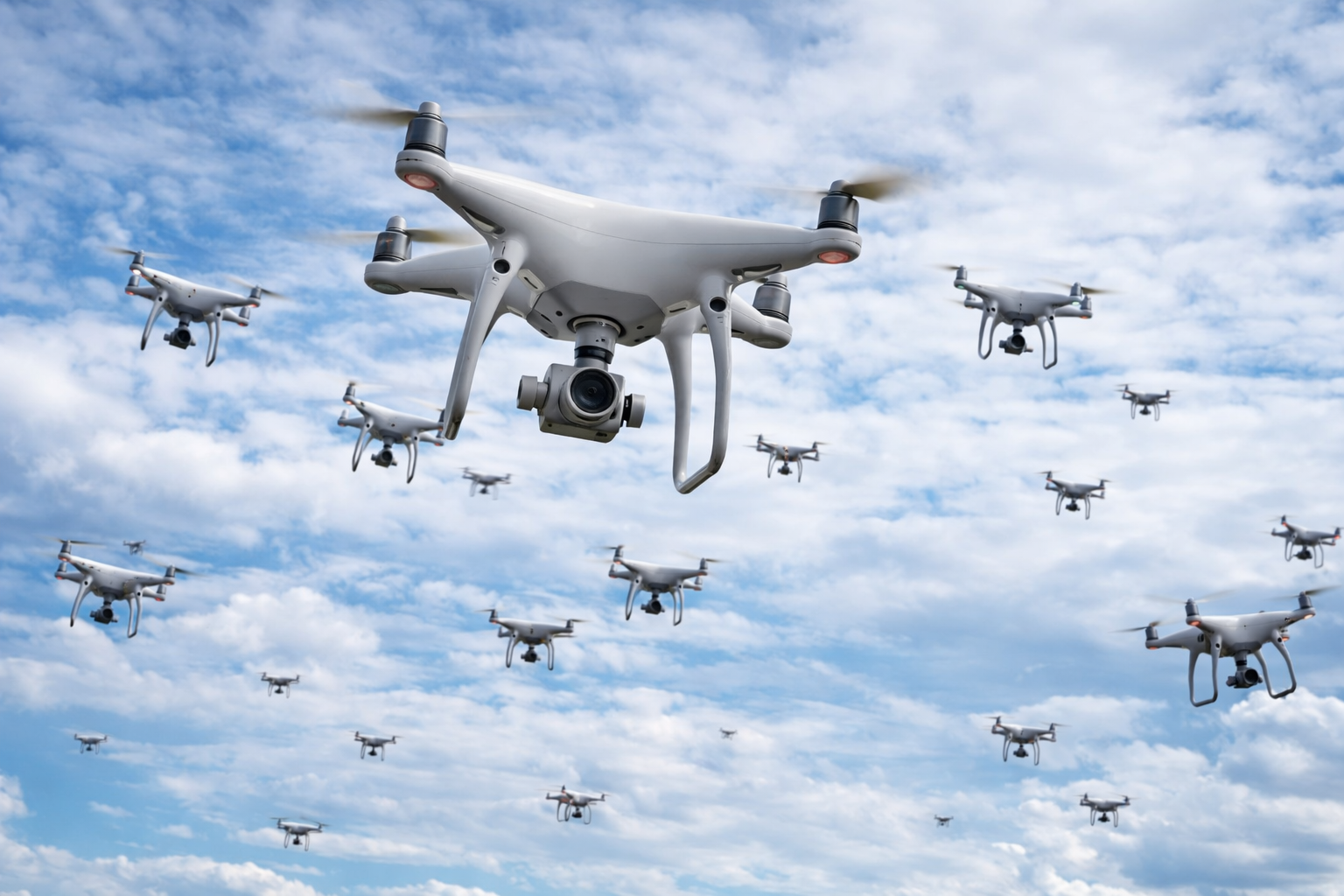
As global disasters become more frequent and complex, the integration of unmanned aerial vehicles (UAVs), commonly known as drones, into disaster management systems has emerged as a transformative solution. This paper explores the future of disaster drones, focusing on technological innovations such as autonomy, advanced sensors, IoT integration, specialized designs, predictive analytics, sustainability, and human-AI collaboration. These advancements promise to enhance the speed, precision, and effectiveness of emergency response, ultimately contributing to greater resilience and recovery in disaster-prone regions.
Introduction
Disaster management is undergoing a paradigm shift driven by technological innovation. Traditional methods of emergency response often face limitations in accessibility, speed, and situational awareness. Drones offer a compelling alternative, capable of rapid deployment, real-time data collection, and versatile mission execution. As the world grapples with climate change, urbanization, and geopolitical instability, the role of drones in disaster preparedness and response is expanding. This paper examines the emerging trends and technologies shaping the next generation of disaster drones.
Drone Autonomy and Swarm Intelligence
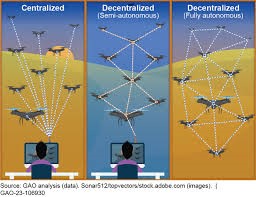
The evolution of drone autonomy is central to future disaster response strategies. Autonomous drones, powered by artificial intelligence (AI) and machine learning, can operate independently in dynamic environments. Swarm intelligence—where multiple drones communicate and collaborate—enables large-scale operations such as search-and-rescue, damage assessment, and resource delivery.
Key Developments:
Swarm Coordination Algorithms: Allow drones to divide tasks and optimize coverage. Dynamic Pathfinding: Enables navigation through debris, adverse weather, and unstable terrain. Self-Charging Systems: Solar panels and autonomous docking stations extend operational time.
These capabilities reduce human workload, increase operational efficiency, and improve safety in hazardous zones.
Advanced Sensors and Imaging Technologies
Sensor innovation is critical for enhancing situational awareness. Future drones will be equipped with high-resolution imaging systems and environmental sensors that provide granular data in real time.
Technologies:
- Hyperspectral Imaging: Detects chemical spills, vegetation stress, and structural damage.
- LiDAR Mapping: Generates 3D models of terrain and infrastructure for precise analysis.
- Gas and Bio Sensors: Identify toxic substances and biological threats, aiding in containment and evacuation planning.
These tools enable responders to make informed decisions and prioritize interventions based on accurate assessments.
Integration with IoT and 5G Networks
The convergence of drones with the Internet of Things (IoT) and 5G connectivity facilitates seamless data exchange and remote control. Drones can interact with ground-based sensors, transmit high-definition video, and integrate with cloud-based analytics platforms.
Key Benefits:
- Smart Sensor Networks: Enhance data accuracy and situational awareness.
- Real-Time Streaming: Supports live monitoring and coordination from command centers.
- Cloud-Based Analytics: Enables predictive modelling and resource optimization.
This interconnected ecosystem accelerates response times and improves coordination across agencies.
Specialized Drone Designs for Diverse Scenarios
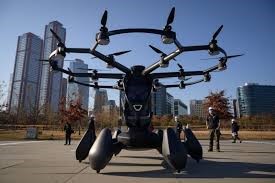
Disasters vary in type and scale, necessitating specialized drone configurations. Future designs will cater to specific operational needs, from underwater exploration to heavy-lift logistics.
- Amphibious Drones: Operate in both aerial and aquatic environments.
- Heavy-Lift Drones: Transport medical supplies, food, and water to remote areas.
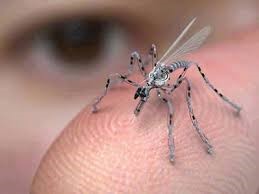
- Micro-Drones: Navigate confined spaces such as collapsed buildings or tunnels.
Customization enhances mission effectiveness and expands the scope of drone applications in disaster zones.
Predictive and Pre-emptive Capabilities
Beyond reactive response, drones are increasingly being used for predictive monitoring and risk assessment. AI-driven analytics can forecast potential disasters and identify vulnerable infrastructure.
Innovations:
- Early Warning Systems: Monitor seismic activity, weather patterns, and water levels.
- AI Risk Analysis: Uses historical data to identify high-risk zones.
- Proactive Surveillance: Detects infrastructure stress and environmental anomalies.
These capabilities support pre-emptive action, reducing the impact of disasters and improving preparedness.
Environmental Sustainability in Drone Design
As environmental concerns grow, sustainable drone technologies are gaining traction. Future drones will incorporate renewable energy sources and biodegradable materials to minimize ecological impact.
Sustainable Features:
- Solar-Powered Flight: Reduces reliance on fossil fuels and extends mission duration.
- Biodegradable Components: Prevent pollution in sensitive ecosystems.
- Energy-Efficient Systems: Optimize power usage for longer, cleaner operations.
Sustainable design aligns disaster response with broader environmental goals.
Human-AI Collaboration in Disaster Response
While autonomy is advancing, human expertise remains essential. The future of disaster drones lies in synergistic collaboration between humans and AI systems.
Collaborative Tools:
- Augmented Reality Interfaces: Overlay drone data onto real-world views for enhanced situational awareness.
- Human-AI Decision Systems: Combine algorithmic insights with human judgment.
- Remote Training Platforms: Simulate disaster scenarios for responder training anddrone operation practice.
This partnership ensures balanced, context-aware decision-making and improves operational readiness.
Conclusion
The future of disaster drones is defined by innovation, adaptability, and collaboration. As technologies evolve, drones will become indispensable tools in emergency management, capable of autonomous operation, advanced sensing, and predictive analytics. Their integration with IoT, 5G, and sustainable systems will further enhance their utility and reduce environmental impact. By fostering human-AI synergy, disaster drones will not only save lives but also empower communities to build resilience and recover more effectively.
As we move forward, continued investment in research, development, and policy frameworks will be essential to unlock the full potential of drone technology in disaster management. These aerial systems are not just machines—they are lifelines in times of crisis and catalysts for a safer, more responsive world.
-Dr. Mukta Girdhar, Director, Disaster Resilient & Research Foundation
& Dr. Balwant Singh, Deputy General Manager, Apeejay Education Society, New Delhi.